
What Are Retirement Hobbies?
Retirement hobbies are activities older adults pursue for enjoyment, personal growth, and social connection after leaving the workforce. These hobbies can include creative arts, physical movement, group activities, and lifelong learning.
Retirement creates something many people have not had in years: time. That time becomes an opportunity to explore new interests or return to passions that were once set aside.
At Sycamore Glen Retirement Community, retirement hobbies are part of everyday life, not something residents have to seek out on their own.
Why Retirement Hobbies Matter for Health and Well-Being
Retirement hobbies do more than fill time. They support both mental and physical health.
According to the National Institute on Aging, staying socially and mentally active can help reduce the risk of depression and support cognitive health as people age.
Hobbies can:
- Support memory and brain function
- Encourage physical movement
- Reduce isolation
- Create a sense of purpose
This is why strong senior living communities build programming around engagement, not just care.
Discovering New Interests at Sycamore Glen
One of the most meaningful parts of retirement is the chance to try something new.
Many residents arrive with a few familiar routines. Over time, they often expand into new areas simply because the opportunity is there.
They might:
- Join a creative class for the first time
- Participate in group discussions
- Explore outdoor or wellness activities
- Revisit hobbies they once loved
Retirement hobbies are not about skill level. They are about curiosity and enjoyment.
At Sycamore Glen, residents are encouraged to explore without pressure, creating an environment where new passions can develop naturally.
Creative Hobbies That Encourage Expression
Creative hobbies are a core part of retirement living.
Activities like art, music, and crafting allow residents to express themselves while also engaging the brain. These hobbies are accessible, flexible, and adaptable to different ability levels.
They also provide something deeper than entertainment. Creative expression can:
- Improve mood
- Reduce stress
- Build confidence
Even simple creative routines can become meaningful parts of the day.
Physical Hobbies That Support Active Living
Staying active is another important part of retirement.
Physical hobbies help maintain strength, mobility, and balance while also improving overall well-being.
Common options include:
- Walking and light exercise
- Stretching or yoga
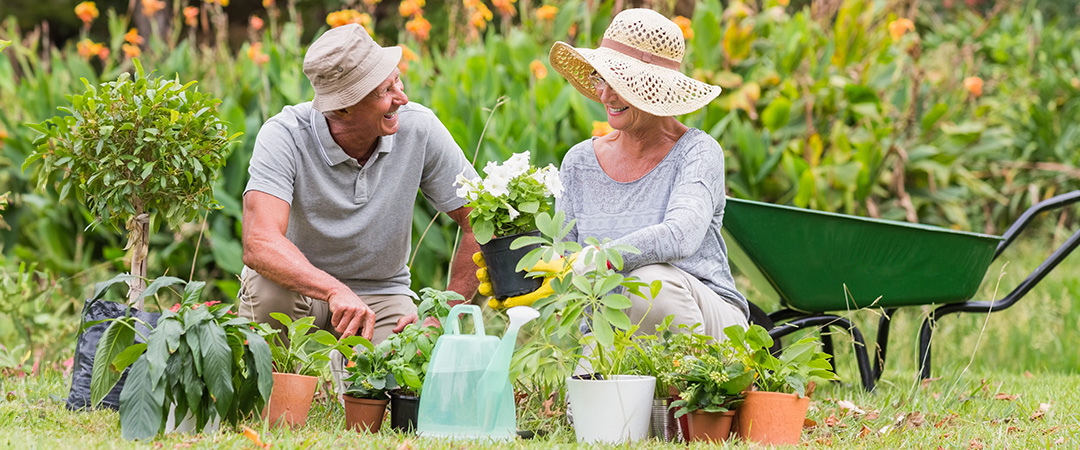
- Gardening
- Group fitness classes
The key is consistency. When activities are enjoyable, residents are more likely to stay engaged over time.
Social Hobbies That Build Connection
Hobbies also create opportunities for connection.
Social activities such as:
- Group games
- Clubs and shared-interest groups
- Community events
help residents form relationships in a natural, low-pressure way.
This is especially important in retirement, where social circles can shrink without intentional effort.
At Sycamore Glen, these shared experiences help create a sense of belonging and community.
Lifelong Learning Keeps the Mind Engaged
Learning does not stop in retirement.
Many residents enjoy:
- Book discussions
- Educational talks
- New skill development
- Technology learning
Continuing to learn supports cognitive health and provides a sense of progress and purpose.
The National Institute on Aging emphasizes that staying mentally active is an important part of healthy aging, and hobbies are one of the most accessible ways to do that.
Contact us today to learn more about how Sycamore Glen can support you or your loved one with their hobbies.
A Lifestyle Built Around Choice
Retirement hobbies are part of a larger shift in lifestyle.
Instead of schedules built around obligation, residents experience days shaped by personal choice.
At Sycamore Glen Retirement Community, that means:
- Opportunities to explore new interests
- Support to stay active and engaged
- A community that encourages connection
Retirement becomes less about slowing down and more about discovering what brings fulfillment.
FAQs About Retirement Hobbies
What are retirement hobbies?
Retirement hobbies are activities seniors pursue for enjoyment, connection, and personal growth after leaving the workforce.
Why are retirement hobbies important for seniors?
Retirement hobbies support mental health, physical well-being, and social engagement, helping reduce loneliness and improve quality of life.
What types of retirement hobbies are most popular?
Popular retirement hobbies include creative arts, physical activities, group social events, and lifelong learning opportunities.
Can seniors start new hobbies later in life?
Yes, many seniors successfully discover new hobbies in retirement, often finding greater enjoyment because they have more time and flexibility.