
What Is Animal Therapy?
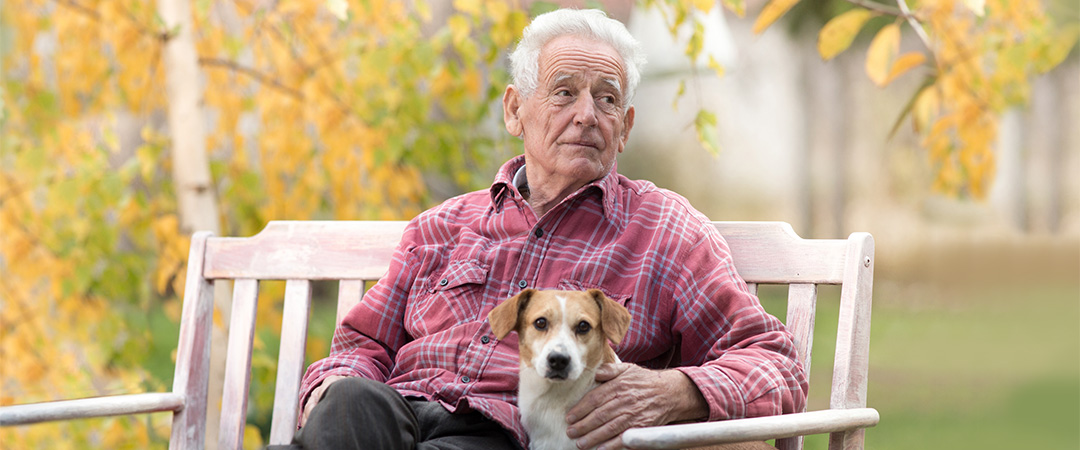
According to American Psychological Assocation animal therapy is a broad term for programs that bring people and animals together in a supportive, intentional way to encourage emotional and physical well-being. Animals can build trust and supportive emotional wellness in a variety of ways. In clinical settings, that can mean specially trained animals working alongside a person’s care team.
How Animal Therapy Works
Much of the benefit comes down to what researchers call the human-animal bond. Being near a calm animal can help lower the stress hormone cortisol while supporting the release of oxytocin and serotonin, the chemicals tied to comfort and connection. According to the National Alliance on Mental Illness (NAMI), spending time with animals can ease symptoms of anxiety and low mood and give people a reason to engage that talk alone sometimes doesn’t reach. The shift can happen fast. A resident who walks in a little tense often looks noticeably calmer within a few minutes of holding a chick or brushing a bunny’s fur.
Mental Health Benefits of Animal Therapy
Animals ask for nothing and judge even less, which is part of what makes their company so easy. Residents who might feel guarded in a group conversation often open up more freely with an animal nearby, and staff frequently notice more empathy, communication, and emotional engagement during and after a visit. For residents managing anxiety, grief, or an occasional low day, this kind of low-pressure interaction can offer a sense of safety that’s hard to create any other way. Nobody has to perform or explain themselves to a goat, and that can be exactly what someone needs.
Physical Health Benefits of Animal Therapy
There’s a physical side to these visits, too. Gently brushing a rabbit’s fur, feeding a baby goat, or cupping a chick in both hands calls for the same fine motor skills used in occupational therapy, things like grip strength, dexterity, and hand-eye coordination. For residents working on balance or mobility, simply moving around the room to greet the animals or leaning down for a closer look can be a light, enjoyable way to stay active. None of it feels like exercise, which is exactly the point.
A Monthly Tradition Worth Looking Forward To
Ask residents what they remember most about last month’s visit, and the answers vary. For one person, it might be the goat’s ears flopping as it trotted across the room. For another, it’s the weight of a bunny settling into their lap and staying there for twenty minutes. These small, specific moments are part of what makes the visits stick with people between one month and the next.
In a community like Sycamore Glen, it looks a little more relaxed: once a month, a rotating group of gentle farm animals, usually bunnies, goats, and chicks, visits the community so residents can spend unhurried time with them. See our Instagram post of the monthly Animal Therapy event at Sycamore Glen that you can be a part of Click here!
The animals rotate, so no two visits look exactly alike. Bunnies tend to be the calmest and easiest to hold. Chicks are small enough to sit in a cupped hand, which works well for residents who use a wheelchair or prefer to stay seated. Goats bring more movement and a bit of chaos, which residents seem to enjoy just as much as the quieter moments with the smaller animals.
Part of a Full Calendar of Connection
Animal therapy is one piece of a much bigger picture at Sycamore Glen. It sits alongside music groups, exercise classes, creative activities, and social events that fill out the monthly calendar. Families interested in seeing what a typical month looks like can view the full lineup of programs and events on our activities page.
Curious to See a Visit for Yourself?
Animal therapy is just one of the ways residents at Sycamore Glen Active Senior Community stay connected, engaged, and smiling throughout the month. If you would like to learn more about life at Sycamore Glen or see our activities calendar in person, reach out to our team today to schedule a visit today! Click here to contact us!
Frequently Asked Questions
What is animal therapy, exactly?
Animal therapy involves spending guided, supportive time with animals to encourage emotional and physical well-being. At Sycamore Glen, that means a monthly visit where residents can interact with gentle farm animals at their own pace.
What animals visit Sycamore Glen during these sessions?
The lineup rotates, but visits typically include bunnies, goats, and chicks, giving residents a mix of calm, cuddly moments and a little playful energy.
Can residents with limited mobility take part?
Yes. Many residents participate from their chair or wheelchair, since smaller animals like chicks and bunnies can easily be brought to them for a closer visit.
FAQ
What is animal therapy, exactly?
Animal therapy involves spending guided, supportive time with animals to encourage emotional and physical wellbeing. At Sycamore Glen, that means a monthly visit where residents can interact with gentle farm animals at their own pace.
What animals visit Sycamore Glen during these sessions?
The lineup rotates, but visits typically include bunnies, goats, and chicks, giving residents a mix of calm, cuddly moments and a little playful energy.
Can residents with limited mobility take part?
Yes. Many residents participate from their chair or wheelchair, since smaller animals like chicks and bunnies can easily be brought to them for a closer visit.